

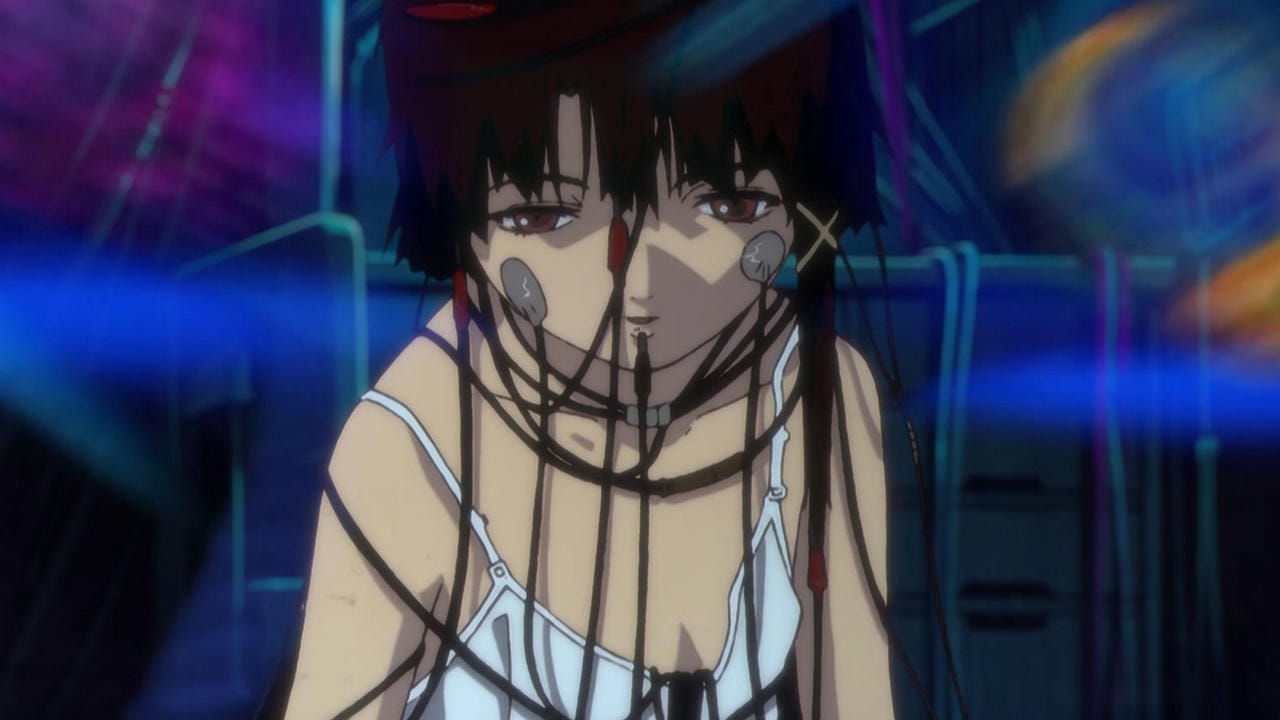
While modern anime boasts incredible production values and accessibility, the foundation of the industry was built by visionary classics that pioneered genres, pushed boundaries, and explored profound themes. If you want to experience the historical masterpieces that paved the way for the anime industry today, here are the top 10 most important classic anime series and films that have aged like fine wine.
Top 10 Classic Anime List:
Astro Boy (1963)
MyAnimeList: 7.16
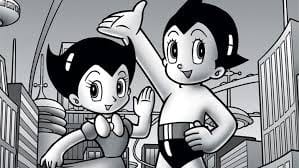
Created by the legendary “God of Manga” Osamu Tezuka, Astro Boy is the story of a sentient robotic boy created by a grieving scientist to replace his late son. While there were earlier experimental animations in Japan, this lovable robotic hero’s story candidly defined and pioneered Japanese anime, kickstarting the medium as a whole.
Ashita no Joe (1970–1981)
MyAnimeList: 8.36

Despite being decades old, Ashita no Joe has never gone out of style. Following the journey of an orphaned street punk who is trained to become a boxing champion, this masterpiece pioneered the sports genre with its raw, tragic, and psychologically gripping narrative. Its flawless character development and poetic artistic expression remain magnificent even today.
Legend of the Galactic Heroes (1988–1997)
MyAnimeList: 9.02
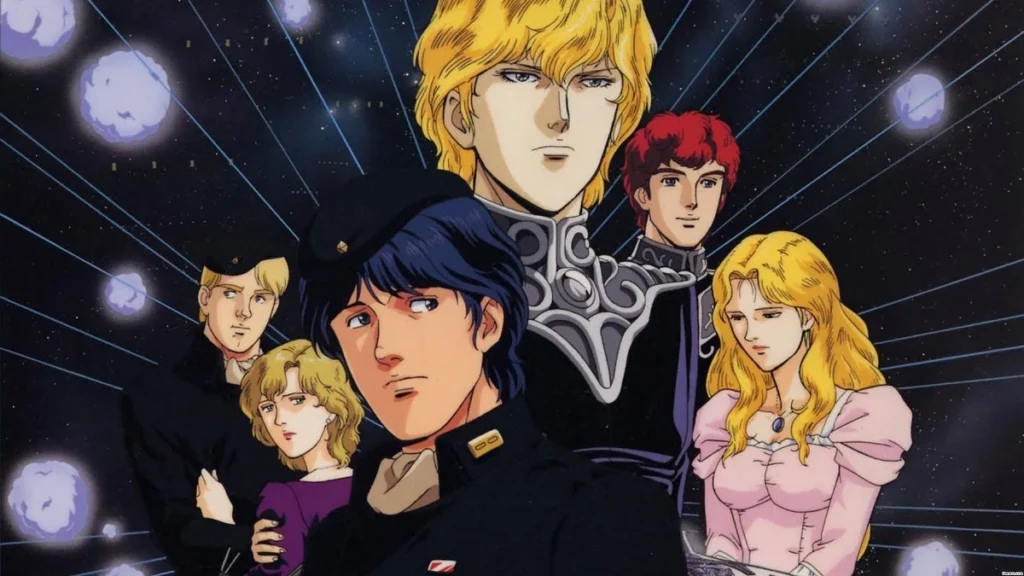
Often tragically overlooked in the mainstream, Legend of the Galactic Heroes is a 110-episode space opera that is completely unrivaled in its scope. The series delves brilliantly into deep politics, strategy, and philosophy through a massive cast of intelligent, flawed adults. Its story and themes only become more relevant as the years pass, making it an ageless triumph of classic storytelling.
Serial Experiments Lain (1998)
MyAnimeList: 8.10
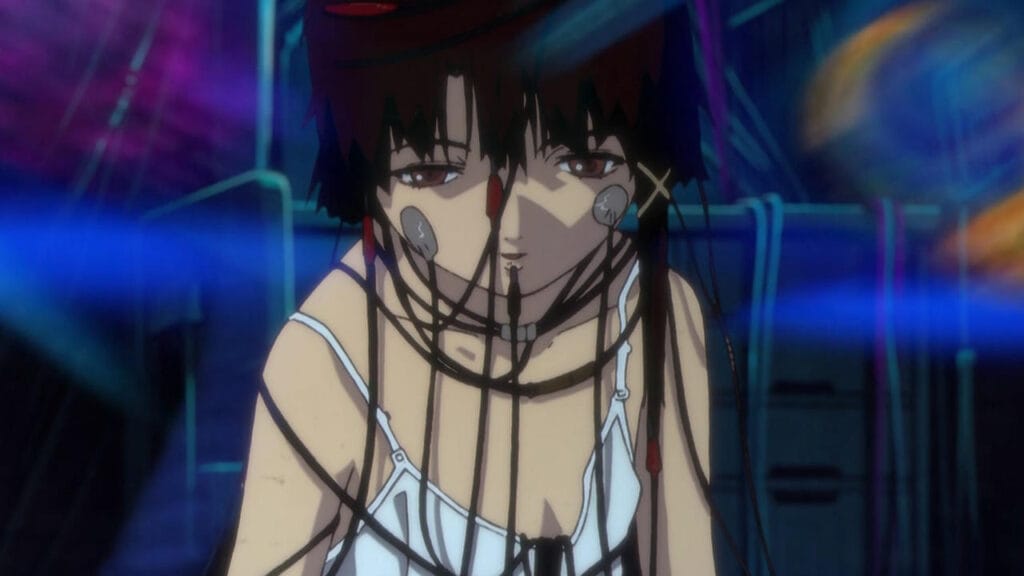
Released just as the World Wide Web was beginning to take off, Serial Experiments Lain redefined the cyberpunk genre before it was fully mainstream. Following a young girl who discovers dark truths within a proto-internet space called “the Wired,” the series is a dark, trippy, and avant-garde cautionary tale about social isolation, consciousness, and the dangers of the digital world.
Sailor Moon (1992)
MyAnimeList: 7.76
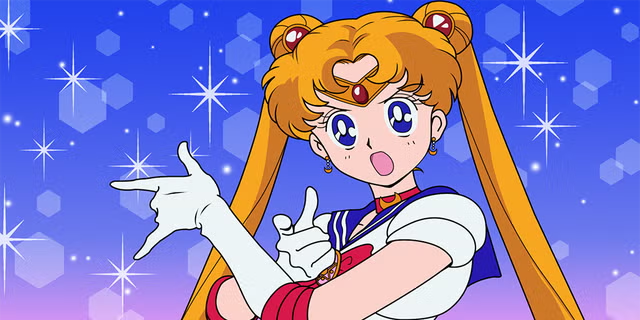
While magical girl anime existed before it, Sailor Moon became the definitive poster child and biggest contributor to the genre’s global popularity. It broke major ground by introducing a team of superheroines with different powers and personalities, expertly balancing their epic battles against evil with the ordinary, relatable struggles of adolescence, love, and friendship.
Mobile Suit Gundam (1979)
MyAnimeList: 8.0
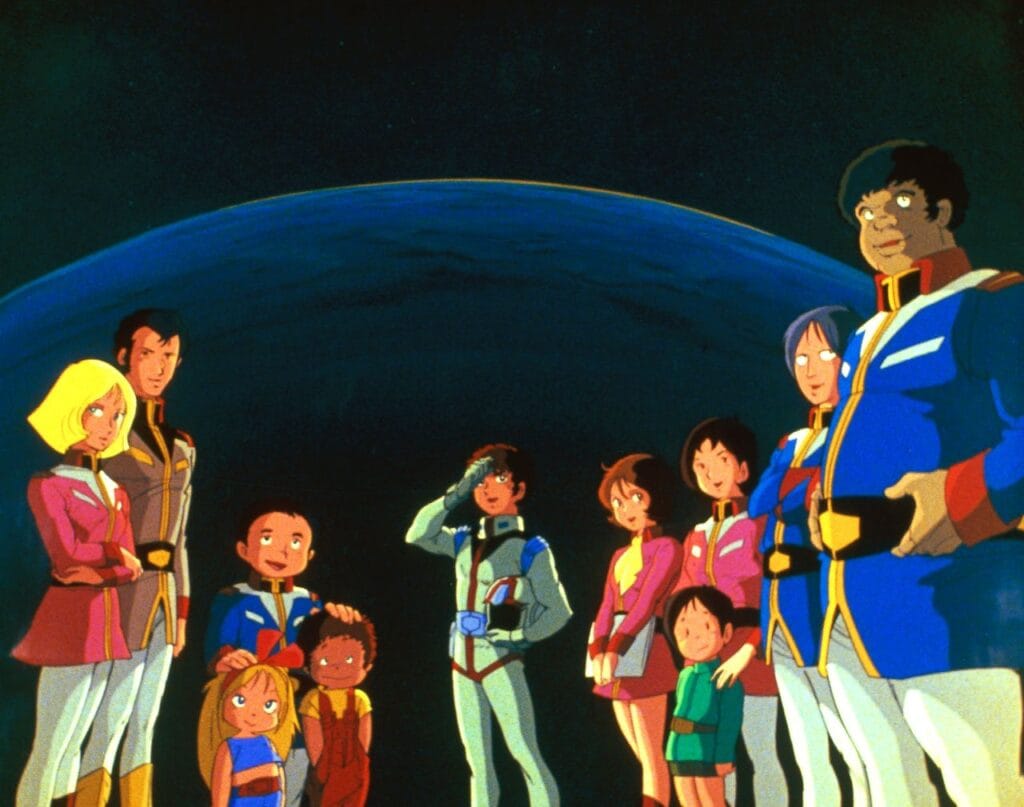
Before Mobile Suit Gundam, giant robots in anime were largely treated as flashy, super-powered tools of good fighting evil. Yoshiyuki Tomino’s groundbreaking series birthed the “real robot” subgenre by presenting mecha as realistic military weapons piloted by flawed, traumatized humans. Decades later, it remains a powerful and foundational allegory for the tragedies of war.
Ghost in the Shell (1995) & Stand Alone Complex (2002)
MyAnimeList: 8.27 & 8.42

Whether you are watching the seminal 1995 film or the Stand Alone Complex television series, this cyberpunk franchise is a masterclass in exploring the intersection of humanity and technology. Following Major Motoko Kusanagi and an elite task force combatting cybernetic crime, the franchise flawlessly explores the philosophical question of what it means to be human in a highly interconnected, technologically enhanced world.
Akira (1988)
MyAnimeList: 8.16
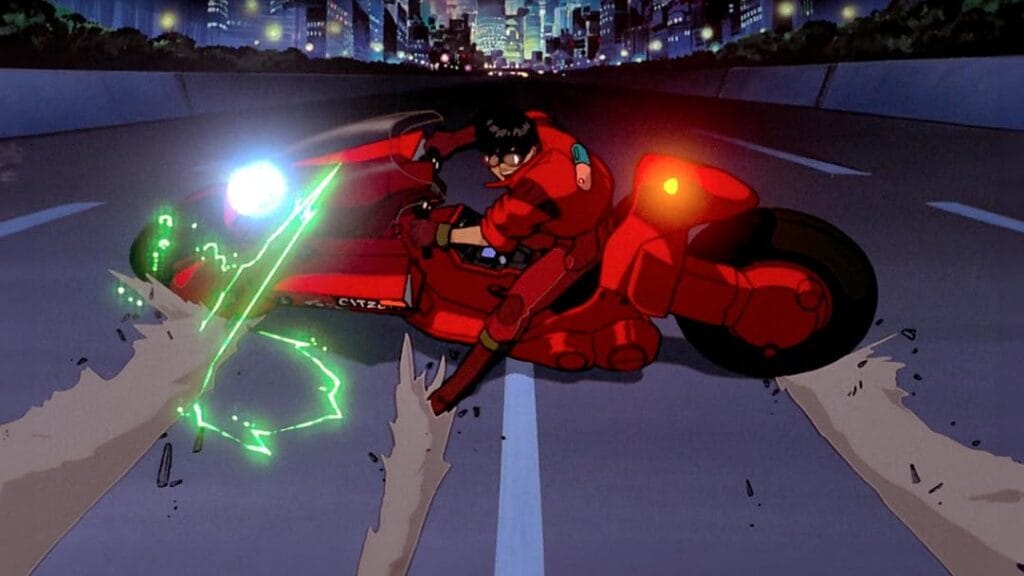
Set in the gang-ridden, dystopian metropolis of Neo-Tokyo, Akira is the film that proved to the West that animation was not just for children. It revolutionized the industry and popularized the cyberpunk genre by introducing highly mature themes, kinetic energy, and graphic imagery. Its staggering cinematic influence can be seen in countless Western blockbusters, including The Matrix and Inception.
Neon Genesis Evangelion (1995)
MyAnimeList: 8.37
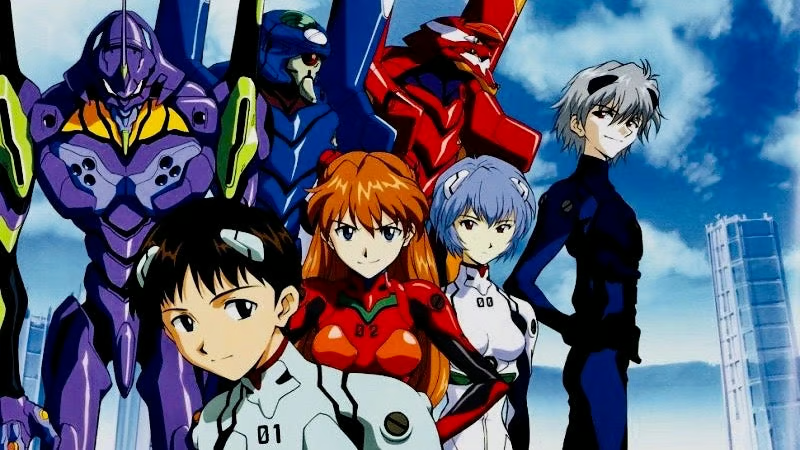
On the surface, Evangelion is a show about teenagers piloting giant humanoid robots to protect Earth from apocalyptic alien beings called Angels. Beneath that premise, however, director Hideaki Anno created a deeply philosophical masterpiece that deconstructs the mecha genre to explore depression, trauma, Freudian psychoanalysis, and the fragile human psyche. It remains an endlessly relatable, timeless expression of mental health issues.
Cowboy Bebop (1998)
MyAnimeList: 8.75
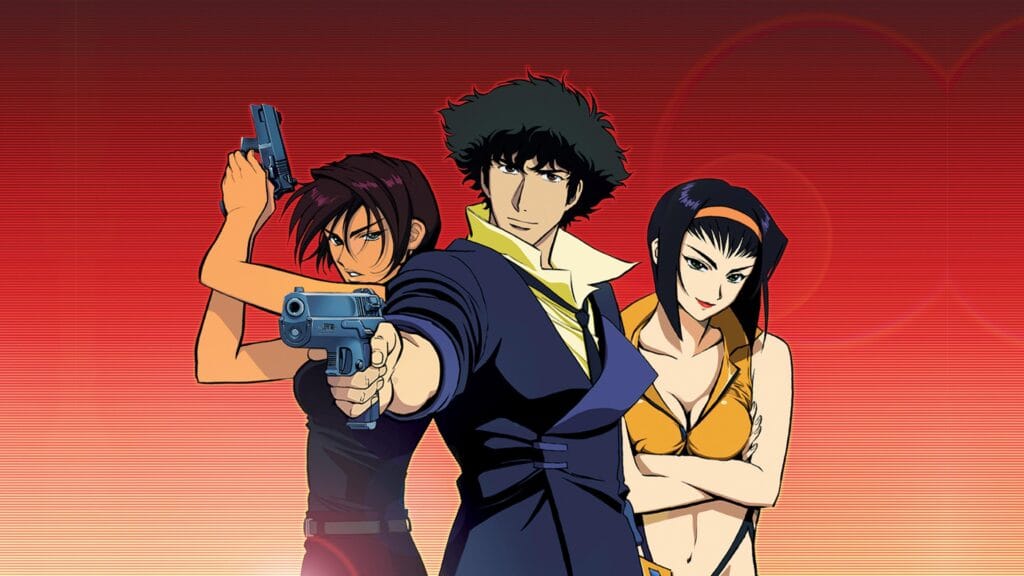
Widely considered one of the greatest entry points for beginners, Cowboy Bebop is the space-Western classic that solidified anime’s influence in the West. Directed by Shinichiro Watanabe, the series follows a ragtag group of bounty hunters traveling the galaxy. Its legendary status is cemented by its incredible jazz soundtrack, stylish animation, and profoundly relevant themes of loneliness, economic struggle, and analog nostalgia.
Conclusion: The Timeless Appeal of Classic Anime
Ultimately, while modern anime continues to push the boundaries of animation technology and mainstream accessibility, the classics laid the very foundation of the medium. Masterpieces like Cowboy Bebop, Neon Genesis Evangelion, and Akira did not just entertain; they revolutionized storytelling, tackled mature and philosophical themes, and proved that Japanese animation is a powerful art form capable of global influence. Exploring these retro gems offers a profound appreciation for how far the industry has come and why these meticulously crafted stories have aged like fine wine. Whether you are drawn to the gritty realism of 90s cyberpunk or the grand political space operas of the 80s, the golden age of anime holds unforgettable experiences that remain relevant today.
WATCH ANIME: Crunchyroll, Netflix
Read It: The Top 10 Must-Watch Anime of Spring 2026
Frequently Asked Questions (FAQs)
Q: What is the oldest known anime? A: The oldest known Japanese animation is a short film called Katsudō Shashin, which is believed to have been created between 1907 and 1911. However, when it comes to the first popular television series that pioneered and truly defined the anime medium, Osamu Tezuka’s Astro Boy (1963) is widely credited as the starting point.
Q: What is the difference between “Super Robot” and “Real Robot” mecha anime? A: In the mecha genre, “Super Robots” are typically unique, one-of-a-kind machines with pseudo-mythical or magical powers that fight a new “monster of the week,” as seen in early shows like Mazinger Z or Voltron. “Real Robots,” a subgenre pioneered by the 1979 series Mobile Suit Gundam, portray mechas as mass-produced, realistic military weapons piloted by flawed humans, usually set against the backdrop of a gritty political war.
Q: Why is Cowboy Bebop considered such an important masterpiece? A: Cowboy Bebop has aged flawlessly due to its stylish animation, distinct atmosphere, and its legendary, transcendent jazz soundtrack. Furthermore, it solidified anime’s influence in the West and remains deeply poignant today because it tackles highly relevant, mature themes such as loneliness, economic struggle, and analog nostalgia.
Q: How did anime become so popular in the West? A: Anime began making its way to Western audiences in the 1960s with localized shows like Astro Boy and Speed Racer. However, the medium experienced a massive boom in the late 1990s and early 2000s. The international success of hit series like Dragon Ball Z, Sailor Moon, and Pokémon introduced different genres to a global audience. Later, late-night broadcasting blocks like Toonami and Adult Swim cemented anime’s popularity among older audiences by airing uncut, mature series like Cowboy Bebop.
Q: Which anime movie is the highest-grossing of all time? A: The highest-grossing anime film worldwide is Demon Slayer: Kimetsu no Yaiba – the Movie: Mugen Train. Released in 2020, it shattered box office records and became the fastest-grossing film in Japanese cinema history, beating the previous long-held record of Studio Ghibli’s critically acclaimed Spirited Away.
